By Jay’Mi Vazquez, SCSU Journalism student
She was hanging wash on a calm summer morning, baby in tow, with the sea gently lapping against the shoreline of her hometown. It was an ordinary day for the young mother in Milford; until it was not.

On Aug. 25, 1778, as 18-year-old Abigail “Mistress” Merwin tended to her chores, she noticed unfamiliar rowboats creeping toward shore, launched from the British warship HMS Swan anchored from Pond Point.
“The Merwin house was there overlooking the Long Island Sound, the men of the family and boys of the family were off at Calf Pen Meadow tending to cow. So, she was alone in the house with her baby,” said retired Milford City Historian Richard Platt.
Merwin realized the British were preparing to raid Milford for food and supplies, so she acted. Gathering her daughter, harnessing her horse, she grabbed a copper pot and a wooden spoon and raced toward the town center.
Merwin banged the pot like a makeshift alarm, shouting to alert her neighbors and rouse the local militia. Her warning worked, as the sounds drew townspeople from their homes and gave the militia enough time to mobilize.
When the British reached the shore, their element of surprise was gone. Milford Living Magazine reported that the enemy escaped with only “two hogs and a few cheeses” before retreating to their boats.
“The British did vandalize the Merwin house before retreating, they broke some China and stole some cheese and butter and poured molasses in their feather beds,” Platt said.
However, Platt said Merwin’s act prevented the British from taking a significant amount of cattle.
At the time, coastal towns like Milford were especially vulnerable. British warships prowled Long Island Sound, ready to strike small settlements for livestock, food and supplies.
Merwin’s brave response turned her into a local legend, Platt said. Over the years, residents passed her story down through generations, affectionately calling her “Milford’s Paul Revere or Paula Revere,” Platt said.
In 2011, her courage was formally recognized when she was inducted into the Milford Hall of Fame, joining the town’s most celebrated historical figures.
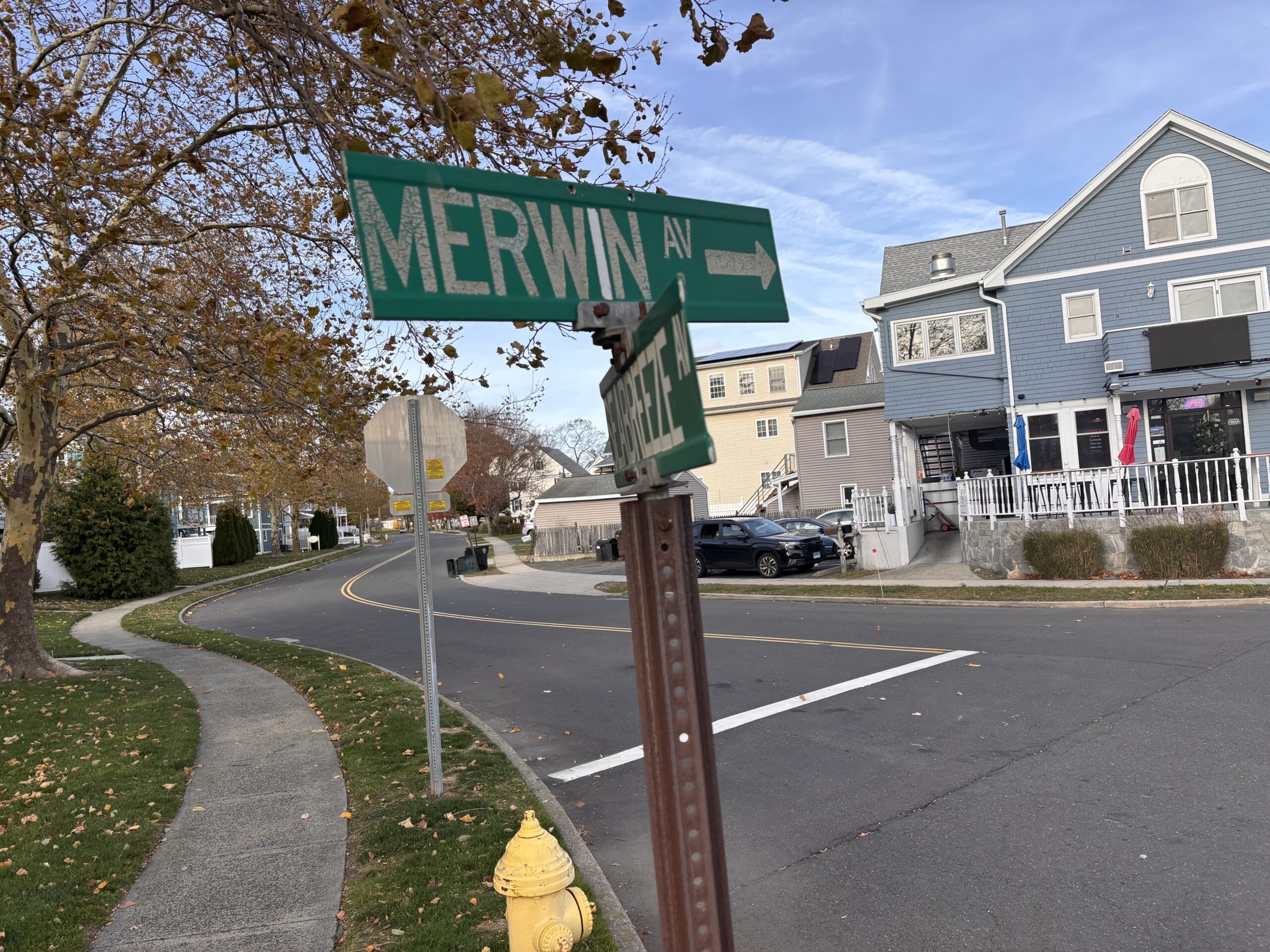
Today, the site of Merwin Avenue still overlooks the same waters where British ships once anchored.
Local historians, such as Platt, and residents continue to share her story at community events and school programs, ensuring new generations remember the young mother who refused to stay silent. Her courage reflects the spirit of ordinary people who shaped the nations fight for independence
Abigail Merwin died in 1786, just nine years after her daring alarm. Still, her legacy continues to live on, with planned celebrations for the 250th anniversary of the Revolutionary War to honor soldiers and people like Merwin who helped defend the city of Milford.
Jay’Mi Vazquez, a journalism student at Southern Connecticut State University, reported this story in 2025 as part of Journalism Capstone coursework on the Revolutionary War.